
Advertising to Chinese Malaysians in 2027: what’s actually working
Forget the translated full-page CNY ad. Here’s where Chinese Malaysians are really paying attention: Xiaohongshu search, TikTok’s new automation, social-first Chinese media, digital ang pows and some very specific neighbourhoods.
· 13 min read
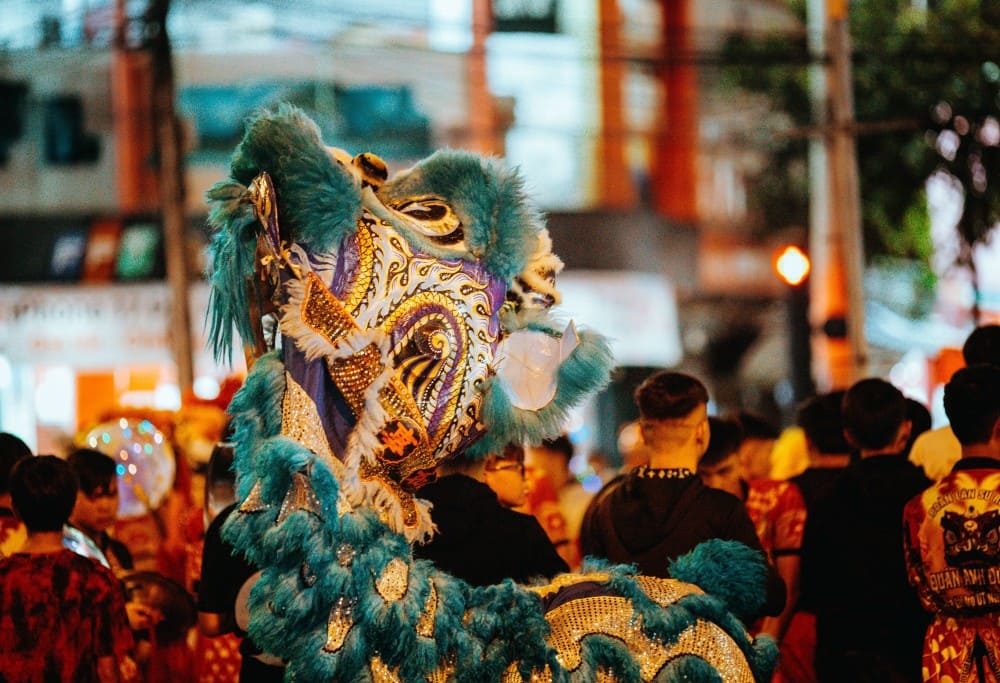
Every October, some version of the same brief lands on someone’s desk: “We need to target the Chinese market for CNY.” And every year, a good chunk of that budget goes into a Chinese version of the English ad, a few lanterns added, job done.
It’s not that it doesn’t work at all. It’s that it ignores how Chinese Malaysians actually discover, compare and buy things now. They are 22.2% of Malaysian citizens, according to the Department of Statistics Malaysia, and they are not one audience. A 25-year-old in Sri Petaling planning a weekend 打卡 (check-in trip) and a 60-year-old in Ipoh reading the paper over Milo need completely different plans.
February 2027 is going to be a pile-up
Chinese New Year 2027 falls on Saturday 6 and Sunday 7 February. Ramadan is expected to start on the 8th, Valentine’s Day is the Sunday after, Chap Goh Mei lands on 20 February, and Hari Raya Aidilfitri is expected around 10 and 11 March.
- 6–7 FebChinese New Year
- 8 FebRamadan expected to begin
- 14 FebValentine’s Day
- 20 FebChap Goh Mei
- 10–11 MarHari Raya Aidilfitri (expected)
That’s four big occasions in about five weeks, all competing for the same media space and production crews. We saw a smaller version of this in 2026, when CNY arrived as Ramadan began. Ryt Bank released a lo-fi hip-hop music video mixing CNY and Raya lyrics, and Marketing-Interactive reported it became Malaysia’s most-downloaded app during CNY.
If your CNY 2027 plan is still a translated English ad, February will swallow it whole.
Decide early whether you’re running a CNY-only campaign, a shared festive story, or both, because the creative and media are planned differently. Second, don’t sleep on Chap Goh Mei. It’s a second chance at attention, after the CNY noise dies down, with a built-in romance angle.
Xiaohongshu is where the research happens now
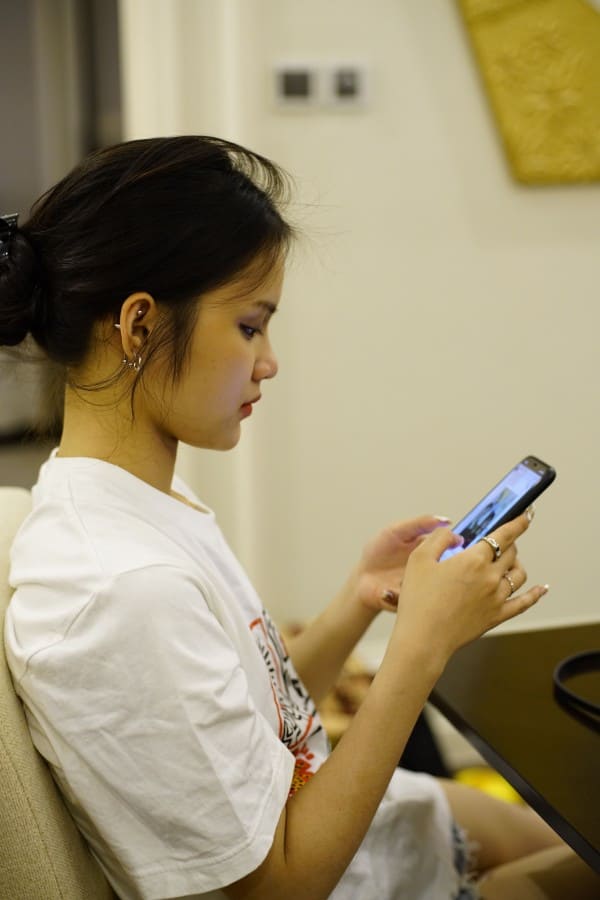
Earlier this year I was out with some friends, the very “banana” kind who barely read Chinese, when they pulled out Xiaohongshu (XHS) to find a dessert place to go to next. Then it kept happening, with other friend groups and with co-workers. A friend asked me to write an XHS review for her new pilates studio, and a few shops offered discounts if we posted one. These days I open the app without thinking whenever I’m planning a group outing.
The data says the same thing. A July 2026 Malay Mail report on AnyMind’s influencer marketing study describes Malaysians starting product research on Xiaohongshu (XHS) instead of Google or TikTok. AnyMind found it took 28.27% of Lifestyle and Home influencer spend in 2025, mostly through nano and micro creators rather than big names. Marketing-Interactive puts the user base at 4.3 million across Malaysia and Singapore, with most Malaysian users aged 16 to 34, female and Chinese.
In practice, write titles in Chinese around what people actually search. Get your product reviewed by KOCs (key opinion consumers) a few weeks before the peak, so the posts are already there when people start looking. Hit us up for some XHS grassroots KOC packages, and we can arrange it hassle-free for you. And give people a reason to 打卡: a photo-worthy corner, a limited item or something worth posting about.
The New TikTok Smart+: how we’d set it up
Smart+ used to be a black box. In October 2025 TikTok rebuilt it so you choose how much to automate, one module at a time. Targeting, budget, placements, bidding and creative can each be left to TikTok or set by you. It covers Traffic, Sales, Lead Generation and App Promotion campaigns.
How it works
Each ad now works like an asset group, with its own landing page and up to 50 creative assets. TikTok mixes those assets into combinations, tests them and moves delivery towards the ones that perform. Symphony, TikTok’s creative AI, can suggest new assets and apply automatic enhancements such as resizing, quality boosts, translation and dubbing. Since January 2026 you can preview every combination before launch, and reporting shows results by creative, text and enhancement.
Search runs on the same system. Automatic Search Placement shows your in-feed videos as sponsored results when people search on TikTok, matched on relevance rather than keyword bids, and you can add negative keywords after reviewing the search terms. This year TikTok also added Smart+ Search Ads and announced Search Hubs, brand pages at the top of search results.
How we’d set it up for Chinese Malaysians
- Set the audience yourself, automate the rest. Choose location, age and Chinese language manually so the system starts with the right people, then let TikTok handle budget and placements.
- Check every automatic enhancement. Auto-translation and AI dubbing won’t sound like someone from Kepong. Review Symphony’s changes in the preview, and switch off translation and dubbing for Chinese creative unless a native speaker has checked it.
- Give it different ideas, not more of the same. Up to 50 assets are allowed, but the algorithm can only test what you give it. Start with a handful of genuinely different Chinese-language videos: different hooks, different creators, and Mandarin mixed with the Cantonese and Hokkien people actually speak.
- Write for search in both languages. Search placement reuses your in-feed videos, so put the words people search for into captions and on-screen text, in Chinese and English. Check the search terms weekly and add negative keywords.
- Leave it alone for a week. TikTok says performance usually settles after about 25 results or 7 days in the learning phase, and edits can restart it.
Creators still matter most. The best CNY 2026 example was KitKat Malaysia sponsoring the Kuan Family’s music video “That’s马Way”, followed by meet-and-greets and limited-edition shaped bars.
Chinese media has moved to your feed
Chinese newsrooms now reach a lot of younger readers through Facebook, Instagram, TikTok and YouTube, alongside newer Chinese food, lifestyle and luxury platforms. That’s why press buying increasingly includes digitorials and social activations as well as print space.
- 星洲日报 Sin Chew Daily
- Malaysia’s biggest Chinese newspaper, with active Facebook, Instagram, TikTok and YouTube channels, plus 百格 Pocketimes, its video platform for video-first stories in Chinese.
- U玩食 by 东方日报 Oriental Daily
- Oriental Daily’s eat-and-play platform: “where to eat, where to go” content that younger readers share.
- Nanyang Press lifestyle titles
- ILifePost 爱生活, a lifestyle news platform, and long-running women’s titles 都会佳人 Citta Bella and 风采 Feminine.
- Goody25
- A Chinese-language lifestyle, food, travel and entertainment site, ranked the top Chinese-language site in Malaysia by Alexa when iMedia invested in it in 2020.
- 名人 NOBLE
- A Chinese luxury lifestyle title acquired by Heart Media in October 2025, with a RedNote platform planned. Useful for premium property, finance and luxury brands.
A good digitorial package is more than an article. Ask for the written feature plus a short vertical video, posts on the publisher’s own social accounts and paid boosting to reach beyond existing followers. Afterwards, ask for views, engagement and clicks, with platform screenshots.
Where to put your outdoor ads (actual places, not “Chinese areas”)
“Target Chinese areas” isn’t a location brief. These figures show the share of registered voters who are Chinese in a few KL constituencies, from the August 2022 electoral roll, one of the most detailed public breakdowns available.
- 90.5%Kepong, KLJinjang, Kepong, Metro Prima, Taman Petaling
- 77.1%Cheras, KLPudu, Shamelin Perkasa, Taman Connaught, Taman Midah
- 71.6%Bukit Bintang, KLBukit Bintang, Chow Kit, Brickfields, Desa Petaling, Salak Selatan
Outside KL, Tanjong (George Town) and Bandar Kuching have among the highest shares of Chinese voters in the country. At state level, Census 2020 puts the Chinese share at 44.9% in Penang, 41.6% in Kuala Lumpur and 32.8% in Johor. And when we plan street by street, areas like Kuchai Lama, Sri Petaling and OUG in KL, SS2 and Damansara Utama in PJ, Puchong, and USJ and SS15 in Subang Jaya are always on the shortlist to check.
Match the format to the place
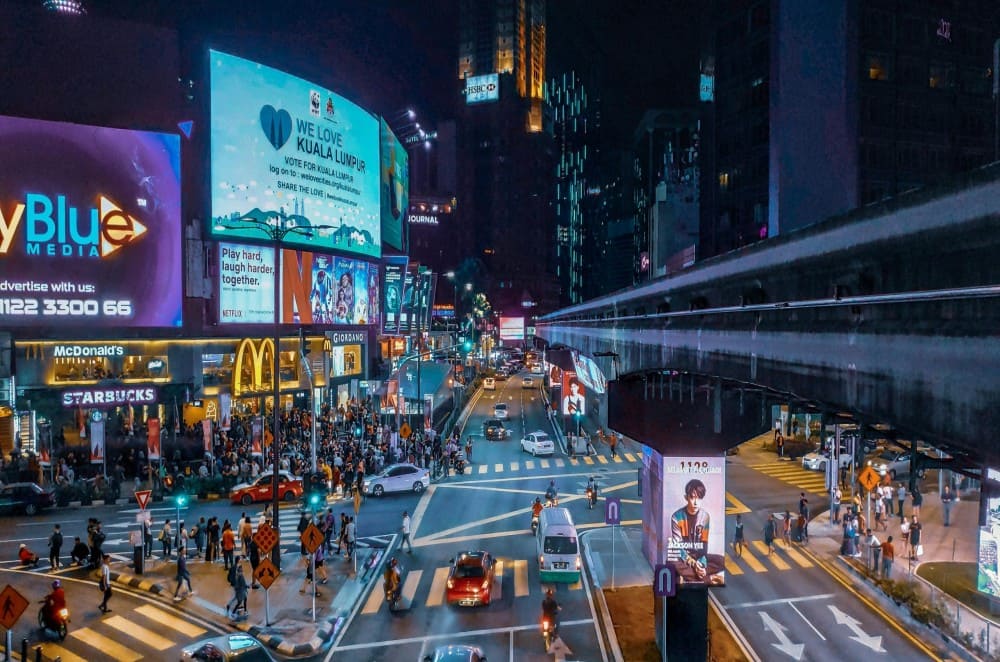
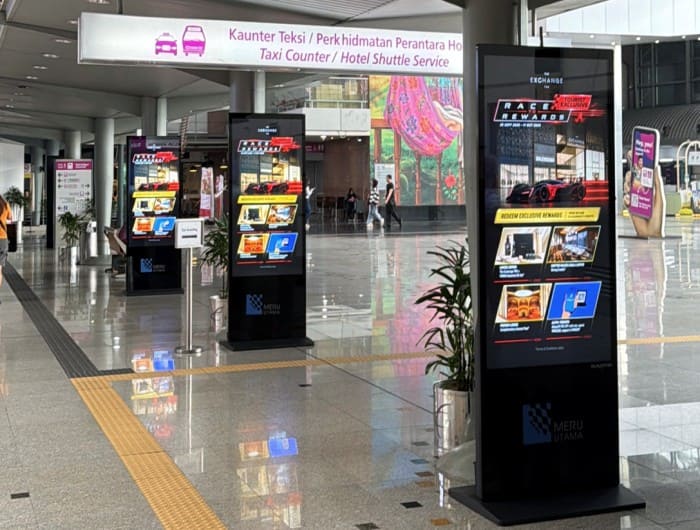
In KL, digital street buntings assigned to specific areas let you cover neighbourhoods like Kepong or Cheras. In Selangor, licensed lamp-post buntings do the same at low cost. Billboards work best on the main roads into these areas, and malls and transit catch people on the move.
Malls, temples and schools
Over CNY, families spend a lot of time in malls buying festive goodies and looking at the CNY decorations. In-mall digital screens near entrances, escalators, supermarkets and festive bazaars reach them in the middle of their shopping, which suits retail, F&B and FMCG brands.
Temples like Thean Hou, with its red lanterns, draw big crowds too. Think photo moments or sampling nearby with the right permissions, not hard-sell ads on temple grounds.
Chinese schools are often overlooked. Malaysia had 1,302 Chinese national-type primary schools (SJK(C)) in 2022, and about 20% of their pupils were non-Chinese by 2020, according to ISEAS. There are also 63 Chinese independent high schools. School-area OOH and school event sponsorships (with the school’s approval) reach parents from every background, which suits education, enrichment, F&B and banking brands.
For every outdoor ad, Bahasa Malaysia must be given priority, in larger letters and placed above the Chinese text, under Dewan Bahasa dan Pustaka’s terms. Plan the layout for both languages from the start.
The ang pow went digital, and it’s a channel now
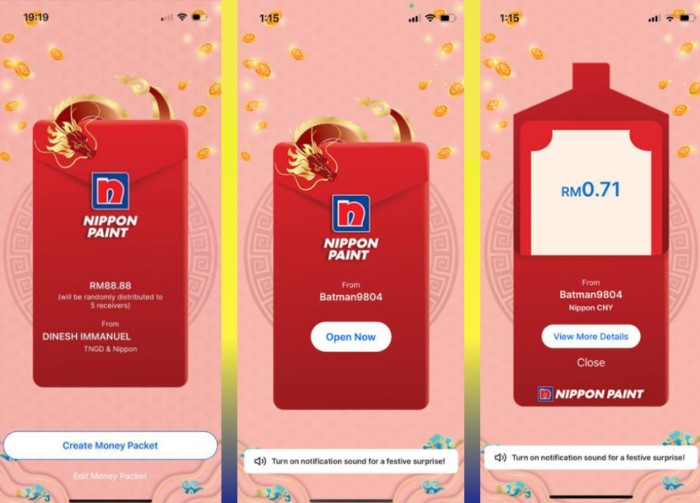
Sending ang pows by phone is normal now. For CNY 2026, Touch ’n Go eWallet offered Money Packets that can be shared to WhatsApp or WeChat, GrabGifts sold festive e-ang pow vouchers with designs like “HUAT AH!”, ShopeePay supported transfers, and every major bank supported e-ang pows through DuitNow, with Maybank’s MAE app even running a Scan & Win contest.
You can advertise inside the ang pow
Here’s the part you may not know: e-wallets and super apps sell ad space, and some of it sits right inside the ang pow moment. TNG offers branded placements such as sponsored Money Packet and transfer page designs, homepage banners and emails to its users. You could, for example, run a branded CNY Money Packet, so ang pows sent with it carries your brand’s festive branding from the moment they were created to the moment they were opened.
Grab has its own advertising arm, GrabAds, covering in-app placements, in-car branding and ads on its vehicles. For CNY 2026 it made one festive film featuring eight brands, from Vinda to GXBank.
I’d take a branded ang pow over the usual plain template any day.
A CNY 2027 plan that isn’t boring
This is roughly how we’d run it. The exact mix depends on what you sell.
- Oct – Nov 2026
- Book creators, digitorials and outdoor sites in your target neighbourhoods before festive inventory goes. Decide on CNY-only or a shared CNY and Raya story. Brief XHS KOCs.
- Dec 2026
- Shoot creator content in Mandarin, with local dialects where it fits. Make six to ten video variations for TikTok Smart+. Get outdoor artwork checked for the Bahasa Malaysia rules.
- Early Jan 2027
- Let Xiaohongshu reviews build up before the rush. Bring the digital ads live to kick-start the learning process. OOH goes up.
- Late Jan – 5 Feb
- The peak. Run your e-ang pow or GrabGifts giveaway, a creator meet-and-greet or pop-up, and retarget everyone who engaged.
- 6 – 20 Feb
- Switch to greetings, keep in mind that Ramadan begins around 8 February, then come back for Valentine’s and Chap Goh Mei on 14 and 20 February.
Things Malaysians will roast you for
- Google-translated Chinese. Someone will screenshot it, and it will travel.
- China or Taiwan slang. Malaysian Chinese has its own mix of Mandarin, Cantonese, Hokkien and English. Write like a local.
- Your Instagram key visual, reposted on Xiaohongshu. People there expect real reviews, not ads.
- Forgetting Ramadan starts two days after CNY. Plan your tone and timing for both.
- “Chinese areas” as a location brief. Name the neighbourhoods.
- A Chinese billboard without Bahasa Malaysia on top. It can get rejected, and redoing artwork in January is nobody’s idea of fun.
A note on the numbers: media figures come from a mix of official statistics, research reports and data published by platforms and media owners. We use them to compare options, then judge every campaign by the response it actually brings in. Figures checked on 3 October 2026. See also our digital marketing, print and digital publications, outdoor and bunting services.
- Department of Statistics Malaysia, Demographic Statistics Q3 2025
- Time and Date, Malaysia holidays 2027
- Marketing-Interactive, Who owned CNY 2026? 13 campaigns
- Malay Mail, Malaysians trading entertainment for validation on Xiaohongshu, July 2026
- Net Influencer, AnyMind Influencer Marketing in Malaysia 2026
- Marketing-Interactive, the 4.3 million opportunity on Xiaohongshu
- TikTok for Business, About Smart+ Campaigns
- TikTok Newsroom, new automation updates for advertisers, October 2025
- TikTok for Business, Smart+ upgraded experience
- PPC Land, TikTok Smart+ updates, January 2026
- TikTok for Business, Automatic Search Placement
- TikTok for Business, learning phase
- TikTok for Business, Product Preview Q3 2026
- ALM Corp, TikTok World 2026 announcements
- Mediapod, Media Chinese International digital media brands
- Oriental Daily, U玩食
- Marketech APAC, iMedia buys stake in Goody25
- Marketing-Interactive, Heart Media acquires NOBLE Media
- Kepong constituency, August 2022 electoral roll
- Cheras constituency, August 2022 electoral roll
- Bukit Bintang constituency, August 2022 electoral roll
- Tanjong constituency
- Malaysiakini Newslab, Census 2020
- TheSmartLocal, Thean Hou Temple red lanterns for CNY
- ISEAS, Malaysia’s Chinese primary schools, 2025
- Chinese independent high schools
- Dewan Bahasa dan Pustaka, language terms for advertisements
- Grab, GrabAds launch
- SAYS, Grab’s multi-brand CNY 2026 ad
- RinggitPlus, How to send e-ang pows for CNY 2026
FAQ
Quick answers
The questions we get most about reaching Chinese Malaysians.
When is Chinese New Year 2027, and does it clash with Ramadan?+
Chinese New Year 2027 falls on Saturday 6 and Sunday 7 February 2027, and Ramadan is expected to begin on 8 February. Chap Goh Mei falls on 20 February and Hari Raya Aidilfitri is expected around 10 and 11 March, so plan your festive campaigns together.
Is Xiaohongshu (RedNote) used in Malaysia?+
Yes. Marketing-Interactive reported 4.3 million users across Malaysia and Singapore, and AnyMind found Xiaohongshu took 7.87% of influencer campaigns in Malaysia in 2025. Many Malaysian users treat it like a search engine for reviews before they buy.
What is TikTok Smart+?+
Smart+ is TikTok’s performance campaign flow where you choose, module by module, whether TikTok automates targeting, budget, placements, bidding and creative. Each ad can hold up to 50 creative assets, and TikTok tests combinations and pushes the best performers. For Chinese Malaysian audiences, set location, age and Chinese language yourself, review any automatic translation or dubbing, and give it several genuinely different Chinese-language videos.
What is a digitorial?+
A digitorial is sponsored content published by a media platform online, usually combining a written feature, short video and posts on the platform’s social channels. Chinese media such as Sin Chew, Oriental Daily’s U玩食 and lifestyle platforms like Goody25 offer them.
Where should I place outdoor ads to reach Chinese Malaysians?+
Be specific. In KL, Kepong (90.5% Chinese voters), Cheras (77.1%) and Bukit Bintang (71.6%) have the highest shares, based on the August 2022 electoral roll. George Town in Penang and Kuching in Sarawak are also strong. Then choose formats such as digital street buntings, lamp-post buntings, billboards and malls in those neighbourhoods.
Do Chinese-language billboards need Bahasa Malaysia?+
Yes. Dewan Bahasa dan Pustaka’s terms say Bahasa Malaysia must be in larger letters and placed above the other language on advertisements.
What percentage of Malaysians are Chinese?+
According to the Department of Statistics Malaysia, Chinese Malaysians made up 22.2% of Malaysian citizens in the third quarter of 2025.
Should I advertise to Chinese Malaysians in Chinese or English?+
Usually both. Chinese-language content builds cultural relevance, while many Chinese Malaysians also consume English media. The key is writing Chinese content for Malaysians, not translating English ads word for word.
Enquiry
Get a free media plan
Tell us what you’re selling, who you want to reach and when, and we’ll put together a CNY 2027 plan that mixes the new with the proven.